
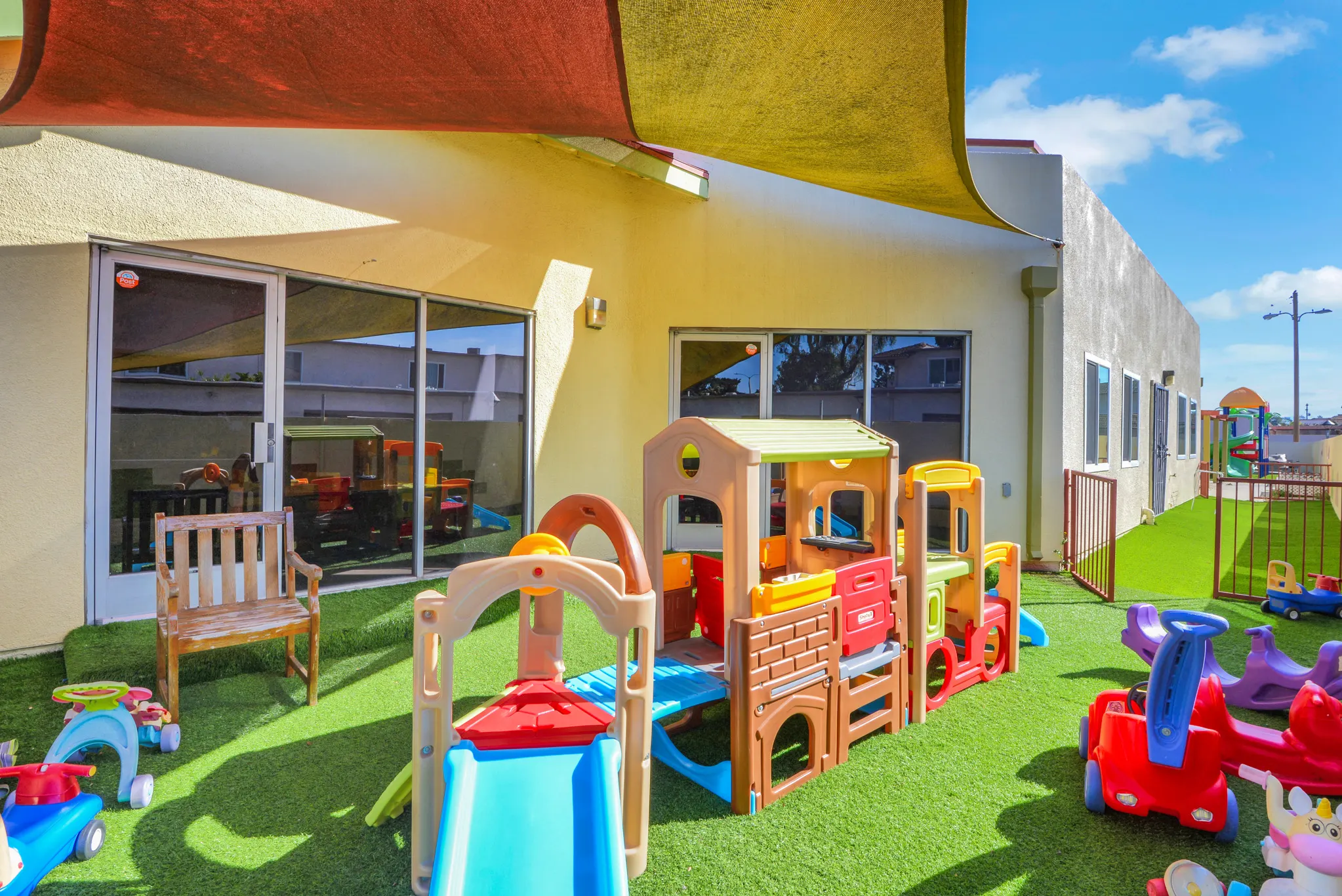
A preschool backpack needs five things done well, not fifteen done badly: a full change of clothes in a labeled zip bag, a water bottle your child can open alone (if preferred- we do find children drink more when they have their own water bottle but cups and drinking fountains are always available), seasonal sun protection (if desired and please make sure to complete a sunscreen waiver), the comfort object the room allows, and nothing from the do-not-pack list. Here’s the packing guide we hand new families at O.C. Kids Preschool in Garden Grove, including the part nobody explains, which is that half the backpack’s job is what you leave out of it.
Key takeaways
- The most-used item all year is the spare outfit, a complete set, underwear and socks included, refreshed by season and size.
- Label everything with first name and last initial, a classroom holds three identical water bottles by October.
- Choose gear your child can operate alone: push-button bottles, wide-zip containers, a backpack they can open.
- Toys stay home unless invited, a toy from home is the most common cause of a preschool dispute.
- Nap bedding travels weekly: sheet and blanket in Monday, home Friday for washing.
What goes in the backpack every day?
Start with the spare clothes, because water tables, paint, lunch spills, and bathroom near-misses are the actual curriculum of being three. Pack a complete change, shirt, bottoms, underwear, socks, in a gallon zip bag labeled with your child’s name, and audit it at every season change: nothing humbles a parent like a January accident and a July-sized pair of shorts. Add a water bottle your child can open without help and can’t spill when they drop it, because they will drop it. Add the seasonal layer: a labeled hat for the warm months, a labeled zip-up for the cool ones, zip-up, not pullover, because teachers dress a whole room for the yard and zippers scale. During potty-training seasons, double the underwear and bottoms; during splash-day season, the flyer will call for the swimsuit, towel, and water shoes. If your child rests at school, and full-day children do, a crib-size sheet and small blanket travel in Monday and go home Friday for washing, with the specific lovey riding along if there is one: the actual bear, not a stand-in; children notice. Please make sure all of your child’s items fit nicely into your child’s cubby, cubby doors or bins should always fit inside safely and securely.
What should stay home?
Toys, first and always, unless it’s a designated share day, a toy from home spends the morning generating disputes and the afternoon getting lost, and the classroom’s own materials are engineered for group life in ways a home treasure isn’t. Anything that lights up, makes noise, or has a screen stays home without exception. Skip jewelry and anything precious, preschool is where nice things go to get glittered. Money stays home. Food beyond what’s arranged with the office stays home too: classroom allergy lists are serious, and an unvetted snack in a backpack is how a well-meaning family breaks one, everything edible routes through the front desk, birthday treats included. And leave out the just-in-case clutter: the second jacket, the umbrella, the five extra diapers when the room stocks yours. A backpack a three-year-old can carry and find things in beats a fully provisioned expedition bag, the child who can locate their own water bottle is practicing the self-service that half of preschool confidence is built on.
How do labels and cubbies actually work?
Every child gets a cubby, and the cubby is the handoff point: sleep items and gear in at drop-off, sleep items can be picked up on Fridays for washing. If new clothes are needed teachers will notify you, any soiled clothes will be left in your child’s cubby. Art work/homework, paper work etc. will be in their home folder (touch base with your classroom teacher for specific location). The system works exactly as well as the labels do. First name plus last initial on the bottle, the hat, the jacket, the bedding, and the shoes if they’re a popular style, permanent marker works; printed name labels survive the wash better. Then teach your child to recognize their own label: a three-year-old who can find their name on a cubby can find it on a water bottle, and that self-service is developmental gold, belongings management is one of the self-help skills kindergarten teachers rank near the top of their wish lists, and it gets built one located jacket at a time. The lost-and-found basket is where unlabeled things wait; check it Fridays before it resets, and accept the universal preschool truth that some socks simply ascend to another plane. Budget clothing accordingly: everything sent should be washable, replaceable, and emotionally expendable. Never ever send anything irreplaceable to school, expensive clothing, one of a kind blankies or lovies, etc are NOT meant for school and we CANNOT guarantee they will come home exactly as they arrived, save those items for special occasions or at home for safe keeping.
What about sunscreen, diapers, and the paperwork behind them?
Sunscreen: apply before drop-off, that’s the base coat, and send a labeled bottle for the afternoon reapplication, with the topical authorization signed: California licensing requires written parent permission before staff apply anything to a child, sunscreen and diaper cream included, forms can be obtained at the front office or from lead teachers. Diapers and wipes: send a labeled sleeve and we’ll flag when it runs low; mid-potty-training, tell the teacher exactly where you are in the process so the room runs your plan. Medications of any kind never travel in backpacks, they go to the front desk with their own authorization, in original packaging, every time; an inhaler in a backpack is a licensing violation and a safety gap at once. Please make sure to check in ANY medication or any kind at the front office for check in and safe keeping. Comfort objects: one small lovey for rest time is welcome and lives in the cubby until nap, a compromise that keeps the comfort available and the disputes at zero. When in doubt about any item, ask at drop-off; the packing list is the easiest place for home and school to run the same play, and thirty seconds at the door beats a guessed-wrong backpack every time.
Frequently asked questions
Do you provide meals, or do we pack lunch?
Hot breakfast, lunch, and afternoon snack are provided so not food items or snacks are needed for children toddler- preschool. Infants may pack snacks or food depending on age and needs. Please make sure to label any and all snacks. NO peanuts!
What shoes work best?
Closed-toe, grippy, and secured, velcro sneakers are the gold standard until tying arrives. Sandals that strap on work in summer; flip-flops can’t climb and spend the day being re-found.
What happens to clothes after an accident?
Soiled clothes come home the same day in a sealed bag, restock the spare that night, because these events cluster.
Want the room-specific list for your child’s age group? Call (714) 530-7263 and book a tour of O.C. Kids Preschool in Garden Grove, the cubby wall explains itself in person.